
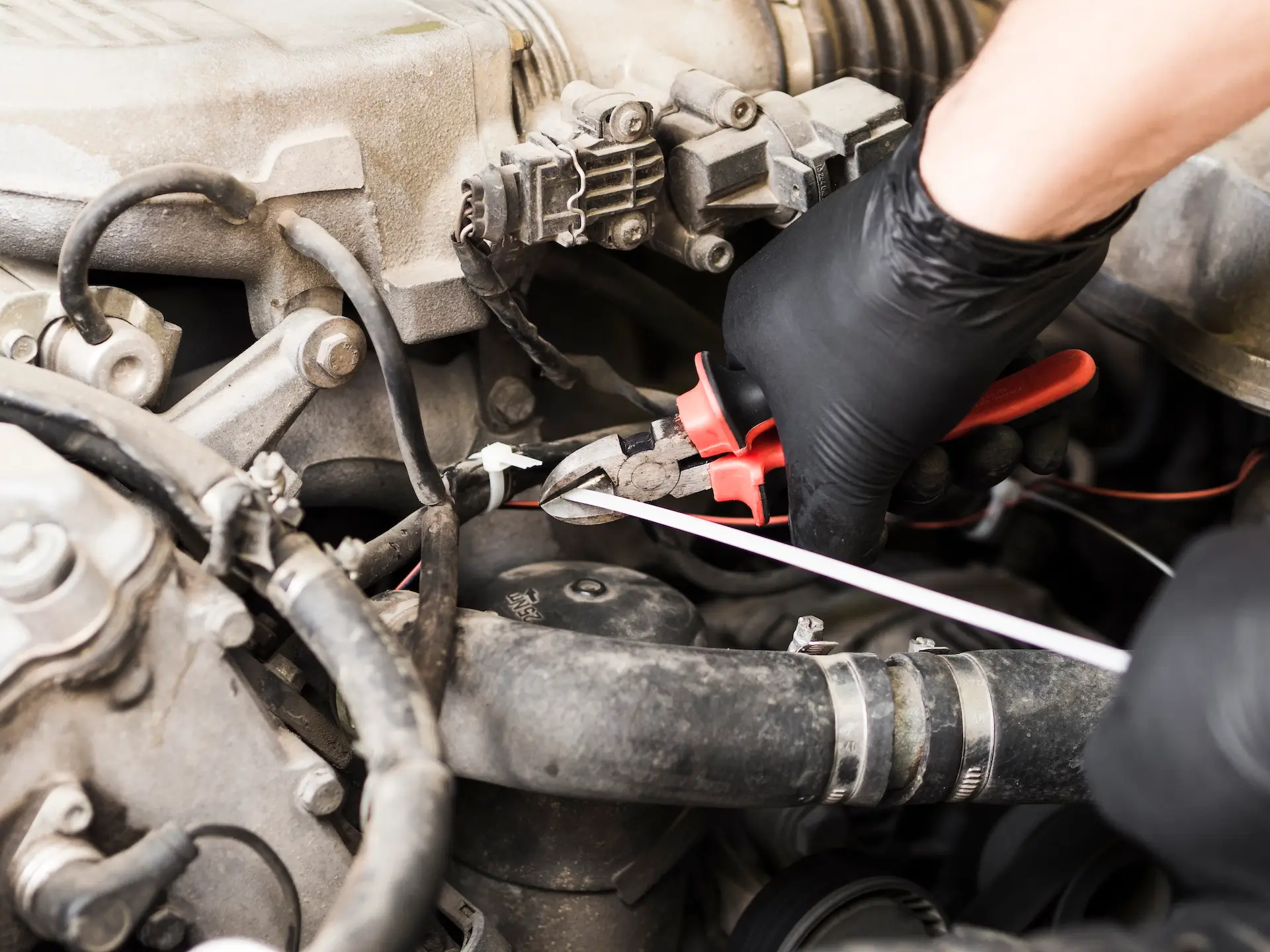
In the mechanical industry, work gloves must provide a precise balance between hand protection, grip, tactile sensitivity, and comfort, even during prolonged use over many consecutive hours. When selecting the right solution, it is also important to consider that in this sector tasks are numerous and highly diverse: assembly, maintenance, handling and moving metal components, inspection, workshop operations, bodywork, industrial logistics, and more. As a result, the risks to be managed also vary.
In general, mechanical hand protection in professional environments mainly involves reducing the risk of abrasion, wear, and contact with rough surfaces or sharp edges. At the same time, the ability to maintain a secure grip on dirty, oily, or wet components also plays a key role when choosing professional gloves. It follows that there is no single “best” or universal glove for the mechanical industry, and product selection must always be evaluated based on the task, the required level of precision, and the working conditions.
Reflexx gloves designed for the industrial, mechanical, and automotive sectors include disposable, reusable, and supported solutions. All products comply with the EU Regulation 2016/425 on PPE, while some types—especially reusable and supported gloves—offer specific features for mechanical protection. In these cases, the main references are the EN 388 standard for mechanical risks and EN 374 when chemical resistance is also required.
Hand protection in the mechanical sector
Hand protection in the mechanical sector is essential, as hands are the part of the body most exposed to friction, abrasion, wear, or contact with physical or chemical components that may cause injuries, burns, cuts, and surface damage. These situations are common—if not daily—in mechanical workshops, production departments, maintenance activities, and industrial environments such as body shops, warehouses, and assembly lines.
Those who work daily in contact with metal parts, tools, sheets, small components, or items to be handled must wear professional gloves that protect the hand without compromising grip and sensitivity. Gloves that are too rigid, poorly fitting, or uncomfortable may reduce precision and affect both safety and work quality.
The choice of PPE depends on the type of task and the main risk: in the presence of oils, greases, or fuels, thick disposable nitrile gloves or reusable gloves may be suitable; when secure grip, wear resistance, and continuity of use are required, supported work gloves are often the most suitable solution.
Factors to consider when choosing work gloves
Abrasion and cut resistance
Since not all tasks expose hands to the same level of risk of abrasion, chemical burns, or cuts, the first criterion to consider when choosing work gloves is the type of mechanical stress the operator is exposed to. When dealing with rough surfaces, metal components, chemicals, or repetitive handling, PPE must maintain its performance even during prolonged use.
Grip on dry, wet, or oily surfaces
Grip is the second key factor. In mechanical environments, grip stability directly affects both work quality and operator safety. Dry, wet, or oily environments require gloves with different performance characteristics. In these cases, work gloves with specific surface finishes can improve adhesion and reduce the risk of slipping.
Tactile sensitivity, elasticity, and comfort
Tactile sensitivity is another important factor, especially when precision tasks, assembly, or inspection are involved. In such cases, gloves must ensure optimal fit and allow a good level of contact perception. Elasticity and fit therefore become key decision factors rather than simple comfort elements.
Regulatory compliance and safety requirements
Compliance with regulations is essential when choosing any work glove, as it ensures the product has been tested for specific risks and applications. In the mechanical sector, the main references are EN 388 (mechanical risks) and EN 374 (when chemical resistance is also required).
Disposable, reusable, and supported gloves: key differences
To choose the most suitable work gloves for the mechanical sector, it is useful to distinguish between three main categories: disposable gloves, reusable gloves, and supported work gloves. Each meets different needs in terms of protection, durability, grip, and tactile sensitivity.
Disposable nitrile gloves are ideal when ease of use, protection from liquids, and good sensitivity are required. Thanks to their chemical and mechanical resistance, they are effective for light or short-duration tasks, especially in the presence of oils, greases, or fuels.
Reflexx offers the Reflexx 99 disposable nitrile glove: its increased thickness provides higher mechanical resistance, while its extended length enhances protection. The micro-textured finish improves grip and tactile sensitivity. The model is classified as PPE Category III.
Reusable gloves provide a more durable barrier and a more robust structure. In mechanical environments, they are suitable for frequent contact with liquids, detergents, oils, or substances requiring continuous protection.
Reflexx 97 is a reusable nitrile glove with anti-slip texture. Internal chlorination improves donning and reduces the risk of latex protein allergies; silicone-free and certified against chemicals and microorganisms.
Reflexx 101 is a reusable neoprene glove offering versatile chemical and mechanical resistance, with internal flocking for comfort and anti-slip texture for improved grip.
Supported work gloves are generally the best choice when mechanical protection is the priority. Made with coated fabric, they combine comfort, grip, and durability. The seamless knit improves fit and breathability, while the coated palm enhances grip and resistance.
Supported gloves: nitrile or polyurethane?
Among supported gloves, the coating type directly affects performance.
Nitrile is ideal for mechanical resistance and grip, even on oily surfaces. The coating ensures abrasion resistance and stable grip.
Reflexx N16 MS features a MicroSandy nitrile coating that improves grip and repels oils and water.
Polyurethane, on the other hand, enhances breathability, lightness, and tactile sensitivity, making it ideal for precision work in dry environments.
Reflexx PU18 Grey ensures excellent dexterity and comfort, ideal for manufacturing, logistics, and electronics.
Reflexx: professional gloves for mechanical and industrial sectors
Reflexx is a leading international company in professional gloves.
To find the right solution, explore the dedicated product line or contact Reflexx specialists.